Weight Training For Fat Loss Over 50
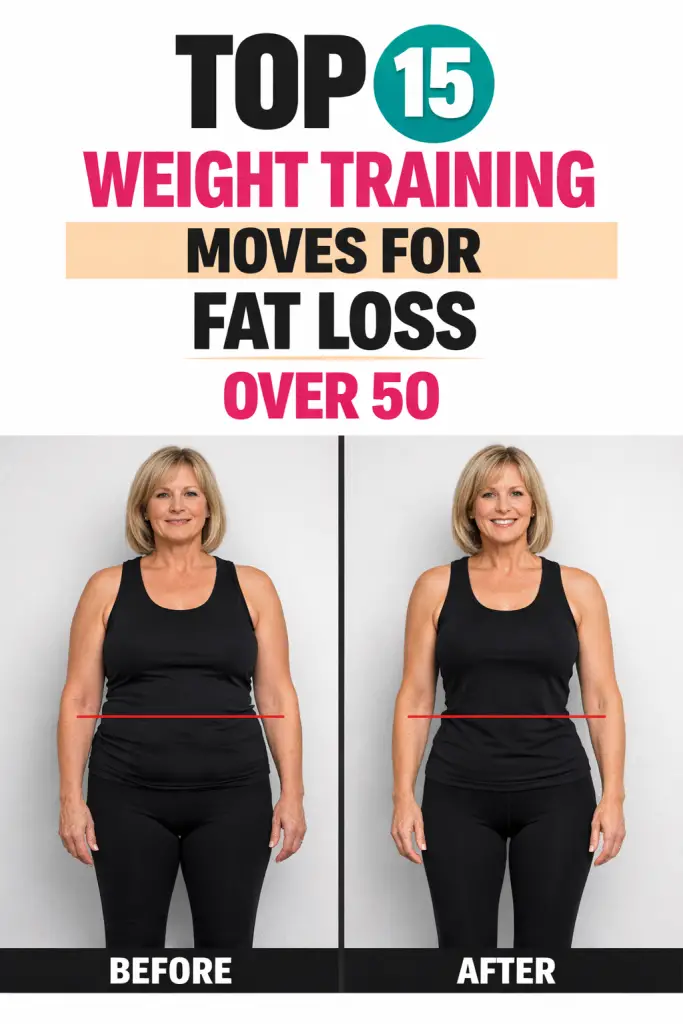
Why This Conversation Matters More Than Ever
If you’re over 50 and wondering why the same workouts that used to work just don’t anymore, you’re not imagining things. Fat loss feels slower. Muscle seems harder to keep. And cardio-only routines suddenly leave you tired instead of lean.
I’m writing this because I’ve had countless conversations with people in their 50s (and beyond) who feel frustrated, confused, or even discouraged about fitness. Many were told to “just walk more” or “eat less,” yet the scale barely budged. Sound familiar?
Here’s the good news: weight training for fat loss over 50 isn’t just effective — it’s essential. And no, it’s not about becoming a bodybuilder or lifting heavy like you’re 25 again. It’s about working with your changing body instead of fighting it.
Let’s talk honestly about what works, why it works, and how you can start safely and confidently.
Why Fat Loss Changes After 50
Before we talk solutions, it helps to understand the problem. After 50, your body goes through real physiological changes that affect fat loss.
Key Changes That Impact Fat Loss
- Muscle mass naturally declines (a process called sarcopenia)
- Metabolism slows down
- Hormonal shifts affect how and where fat is stored
- Insulin sensitivity may decrease
- Recovery takes longer
IMO, this is where many people go wrong. They double down on cardio and cut calories harder, which often leads to muscle loss — and that actually makes fat loss harder.
Fat loss after 50 isn’t about doing more — it’s about doing smarter.
Why Weight Training Is the Secret Weapon Over 50
Here’s the truth most people don’t hear enough: muscle is your metabolic engine.
How Weight Training Supports Fat Loss
Weight training helps you:
- Preserve and rebuild lean muscle
- Increase resting metabolic rate
- Improve insulin sensitivity
- Reduce visceral (belly) fat
- Improve posture, balance, and bone density
And yes — you can build muscle after 50. Not overnight, but absolutely and reliably.
The more muscle you maintain, the more calories you burn — even while resting.
That’s a game-changer.
Cardio vs Weight Training: What Actually Works Best?
This isn’t an either-or debate. But the priority matters.
Cardio Alone: The Limitations
Cardio is great for heart health, but when it’s your only strategy:
- It burns calories only while you’re doing it
- It can increase muscle loss if overdone
- Fat loss plateaus quickly
Weight Training: The Long-Term Advantage
Weight training:
- Burns calories during and after workouts
- Signals your body to keep muscle
- Improves body composition, not just weight
Think less about the scale and more about how your body looks, feels, and functions.
Is Weight Training Safe After 50?
Short answer: Yes — when done correctly.
In fact, it’s often safer than high-impact cardio.
Why It’s Safer Than You Think
- Movements can be controlled and modified
- Loads can be adjusted easily
- Strength improves joint stability
- Bone density increases, reducing fracture risk
FYI, most injuries happen when people rush, lift too heavy too soon, or ignore recovery — not because of age.
How Often Should You Lift Weights Over 50?
More isn’t better. Consistency beats intensity every time.
Ideal Weekly Structure
For most people over 50:
- 2–3 weight training sessions per week
- 30–45 minutes per session
- At least one rest day between sessions
This allows your body to recover and adapt — which is where fat loss and muscle building actually happen.
The Best Types of Weight Training for Fat Loss Over 50
Not all strength workouts are created equal.
Focus on Compound Movements
Compound exercises work multiple muscle groups at once, which means:
- More calories burned
- Better hormone response
- More functional strength
Examples include:
- Squats or sit-to-stands
- Deadlifts or hip hinges
- Chest presses
- Rows
- Overhead presses
You don’t need fancy equipment. Dumbbells, resistance bands, or even bodyweight can be incredibly effective.
Reps, Sets, and Weight: What’s Ideal After 50?
This is where many people get overwhelmed — so let’s simplify it.
A Simple, Effective Formula
- 8–12 reps
- 2–3 sets
- Weight that feels challenging but controlled
- Last 2 reps should feel difficult but doable
If your form breaks down, the weight is too heavy. Period.
Progression matters more than perfection.
Why Recovery Matters More Than Ever
Your body changes after 50 — and recovery becomes non-negotiable.
Signs You’re Not Recovering Enough
- Persistent soreness
- Low energy
- Poor sleep
- Plateaued fat loss
- Increased joint pain
Smart Recovery Tips
- Sleep 7–9 hours if possible
- Take rest days seriously
- Stretch lightly or walk on off days
- Eat enough protein
Recovery isn’t laziness — it’s strategy.
Nutrition Tips That Support Fat Loss and Strength
You can’t out-train poor nutrition, especially after 50.
Key Nutrition Priorities
- Protein first at every meal
- Balanced carbs (not zero carbs)
- Healthy fats for hormone support
- Adequate hydration
Protein: Your Best Friend After 50
Aim for:
- 20–30g of protein per meal
- Spread evenly throughout the day
Protein helps:
- Preserve muscle
- Control appetite
- Improve recovery
And no, you don’t need extreme diets to see results.
Common Mistakes People Over 50 Make With Weight Training
Let’s save you some frustration.
Mistake #1: Lifting Too Light Forever
Challenge is necessary for change.
Mistake #2: Avoiding Weights Due to Fear
Proper technique reduces risk — avoidance increases weakness.
Mistake #3: Doing Random Workouts
Follow a structured plan.
Mistake #4: Ignoring Warm-Ups
Warm muscles move better and safer.
Mistake #5: Expecting Fast Results
Progress over 50 is slower — but far more sustainable.
How Long Does It Take to See Fat Loss Results?
This is the honest answer most people appreciate.
Realistic Timeline
- 2–4 weeks: Strength increases
- 4–8 weeks: Clothes fit better
- 8–12 weeks: Visible fat loss and muscle tone
- 3–6 months: Significant body recomposition
The scale may not change much at first — and that’s okay. Muscle weighs more than fat, but takes up less space.
Can Women Over 50 Lift Weights Without “Bulking”?
Absolutely. This fear needs to go.
Why Bulking Isn’t a Concern
- Hormone levels don’t support rapid muscle gain
- Muscle growth is gradual
- Weight training creates a toned, firm look, not bulk
Most women who lift weights say they wish they’d started sooner.
Combining Weight Training With Light Cardio
You don’t have to give up cardio — just use it strategically.
Best Cardio Options Over 50
- Walking
- Cycling
- Swimming
- Elliptical
- Short interval sessions
Think of cardio as a supplement, not the foundation.
Staying Motivated When Progress Feels Slow
Let’s be real — motivation fluctuates.
What Helps Most
- Track strength gains, not just weight
- Celebrate consistency
- Focus on energy, mobility, and confidence
- Remember why you started
Ask yourself: Do I feel stronger than last month? That matters.
Conclusion: Strong Is the New Lean After 50
Weight training for fat loss over 50 isn’t a trend — it’s a long-term solution. It supports your metabolism, protects your muscles, strengthens your bones, and helps you feel confident in your body again.
You don’t need perfection. You don’t need extreme workouts. You just need consistent, smart strength training paired with supportive nutrition and recovery.
If you take one thing from this article, let it be this: your body is not broken — it just needs a different approach now.
Start where you are. Lift what you can. Progress patiently. And trust that strength will carry you further than cardio ever could.