
Expats Fear for Safety and Economic Stability in Dubai
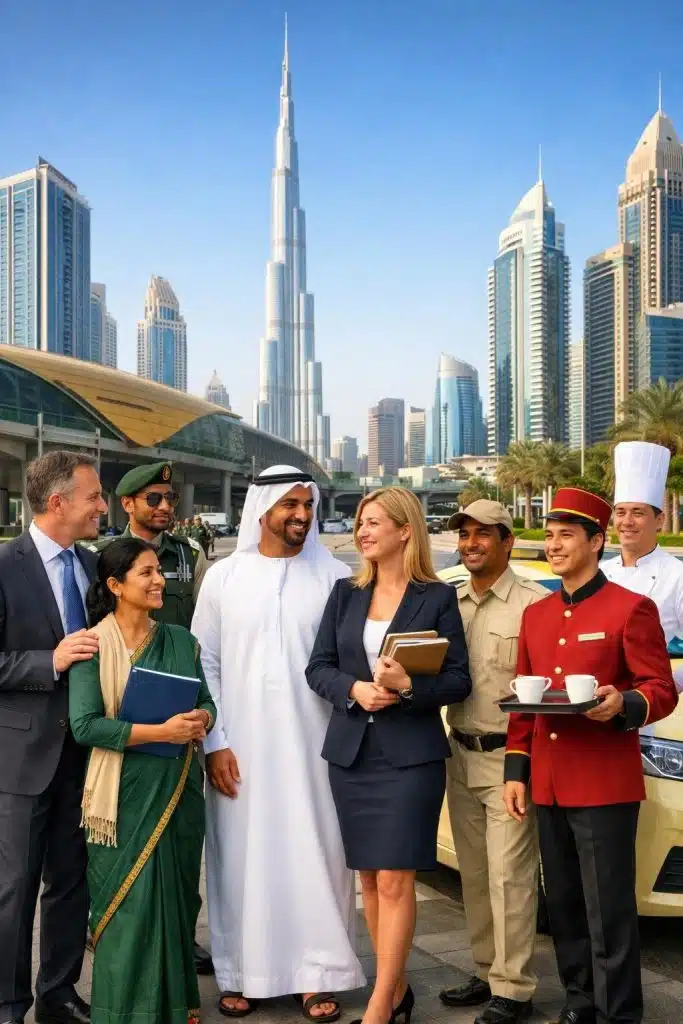
For decades, Dubai has been marketed as one of the safest and most economically stable cities in the world. Its modern skyline, luxury lifestyle, tax-free income policies, and reputation for security have attracted millions of expatriates from across the globe. Professionals, entrepreneurs, influencers, and skilled workers relocated to the emirate seeking opportunity, financial growth, and a high quality of life.
However, recent geopolitical tensions and ongoing security concerns have deeply shaken the confidence of many expatriates living in the city. What was once perceived as a stable and prosperous destination is now being viewed with uncertainty by residents who fear both for their personal safety and their financial future.
A City Built on Expat Confidence
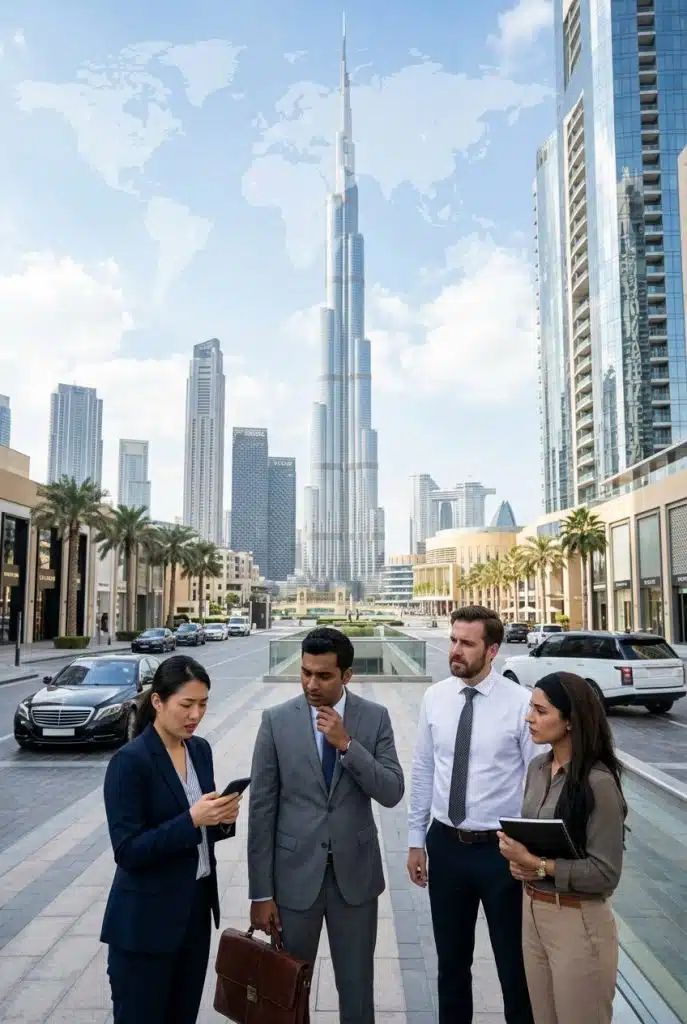
Dubai’s remarkable rise as a global hub has largely been powered by its expatriate population. Unlike many cities around the world, expatriates make up roughly 90 percent of the population. From corporate executives and teachers to taxi drivers and hospitality workers, foreign residents are the backbone of the city’s workforce and economy.
The emirate’s economic model depends heavily on attracting international talent and investment. Businesses, tourism, financial services, and real estate sectors thrive largely because millions of foreigners choose to live and work in the city.
For years, Dubai successfully promoted itself as a place where people could build careers without the burden of high taxes while enjoying modern infrastructure, world-class healthcare, and relatively low crime rates. These factors helped establish the emirate as a magnet for professionals from Europe, South Asia, Africa, and other parts of the Middle East.
But when safety and economic stability come into question, the foundation of that model can begin to weaken.
Growing Concerns About Personal Safety
Recent military tensions in the region have introduced a level of fear that many expatriates say they have never experienced before in Dubai. Reports of missile interceptions, drone threats, and security alerts have created an atmosphere of uncertainty among residents.
Although defense systems have reportedly intercepted the majority of incoming threats, the psychological impact of such incidents has been significant. Phone alerts advising residents to stay indoors or avoid windows have become deeply unsettling for people who previously viewed the city as one of the safest places in the world.
For many expatriates, safety is the most important factor in deciding where to live. When news of explosions, air defense activity, or damaged infrastructure spreads, it inevitably raises concerns among families living far from their home countries.
Parents worry about their children, workers fear commuting through the city during uncertain times, and many residents have begun questioning whether remaining in the region is worth the risk.
Psychological Impact on Residents
Beyond the immediate threat of attacks, the emotional and psychological toll on expatriates has been profound. Living in a city experiencing security threats can generate anxiety, stress, and a constant sense of unpredictability.
Teachers, office workers, and service industry employees have reportedly struggled to focus on their daily responsibilities as they follow updates about potential security incidents. Many residents say they are constantly monitoring the news or messaging family members abroad to reassure them of their safety.
For expatriates who moved to Dubai specifically to escape instability in their home countries, the situation feels particularly alarming. Some residents describe feeling caught off guard by how quickly the perception of safety can change.
This emotional strain can influence major life decisions, including whether to remain in the country or relocate elsewhere.
Economic Uncertainty and Business Concerns
Safety concerns are only part of the equation. Many expatriates are equally worried about the economic consequences of regional instability.
Dubai’s economy is heavily tied to tourism, international trade, aviation, and financial services. If travel disruptions occur or businesses temporarily suspend operations, the ripple effects can quickly impact workers across multiple industries.
Hotels, restaurants, retail shops, and entertainment venues rely heavily on international visitors. If tourists cancel trips due to safety concerns, thousands of jobs connected to tourism could be affected.
Similarly, airline disruptions can reduce the flow of travelers through Dubai’s airports, which are among the busiest in the world. Reduced flights can influence everything from logistics companies to airport staff and transportation services.
For expatriates who depend on steady employment to support families back home, economic instability can be just as worrying as security threats.
Businesses Facing Operational Challenges
Many international companies operate regional headquarters in Dubai. Banks, consulting firms, technology companies, and multinational corporations have established offices in the emirate due to its strategic location and business-friendly environment.
However, during periods of heightened security risk, companies may temporarily relocate employees, suspend travel, or adopt remote working policies. While these steps are intended to protect staff, they can also create uncertainty about the long-term stability of business operations.
Some expatriates worry that if instability continues, companies may begin shifting regional offices to other cities considered safer or more predictable.
Such decisions could have lasting consequences for employment opportunities in the emirate.
Tourism Industry Under Pressure
Tourism has long been one of Dubai’s strongest economic pillars. Millions of visitors travel to the city every year to experience luxury shopping malls, five-star resorts, desert adventures, and iconic landmarks.
However, when safety becomes a concern, travelers often reconsider their plans. Even isolated incidents can lead to widespread cancellations, especially if international media coverage highlights potential risks.
Airlines reducing flights or travel advisories issued by foreign governments can further impact visitor numbers.
For expatriates working in hotels, travel agencies, entertainment venues, and transportation services, a decline in tourism could directly affect income and job security.
Families Considering Leaving
In times of uncertainty, many expatriates begin considering relocation. Some families choose to return temporarily to their home countries until the situation stabilizes, while others start exploring opportunities in different regions entirely.
Parents with young children often feel the pressure most strongly. Safety concerns, school disruptions, and uncertainty about the future can motivate families to prioritize stability over career opportunities.
For individuals working in industries heavily tied to tourism or international travel, the fear of sudden job losses can also influence decisions to leave.
Even those who intend to remain in Dubai may begin creating backup plans in case conditions worsen.
Government Measures and Public Communication
Authorities in the United Arab Emirates have taken steps to reassure residents and maintain public order. Officials emphasize the strength of the country’s defense systems and stress that security forces are actively protecting the population.
Public communication efforts often highlight the effectiveness of air defense systems and encourage residents to remain calm during security alerts.
However, strict regulations regarding the sharing of information or videos online have also raised concerns among some expatriates. Laws governing online content and public messaging can create uncertainty about what residents are allowed to share publicly.
Some expatriates say they are cautious about posting anything related to security incidents on social media, fearing potential legal consequences.
Social Media and Public Perception
In the digital age, public perception can shift rapidly through social media platforms. Videos, images, and personal experiences shared online can shape how the world views a particular city or country.
For expatriates living in Dubai, this dynamic creates another layer of complexity. On one hand, many residents want to share accurate information with family and friends abroad. On the other hand, strict regulations regarding public messaging may lead individuals to avoid discussing certain topics online.
This environment can sometimes create confusion about what information is reliable or officially confirmed.
Long-Term Implications for Dubai
Dubai has overcome challenges before. The city has navigated global financial crises, oil market fluctuations, and regional geopolitical tensions in the past while continuing to grow as a global economic hub.
Its leadership has consistently invested in infrastructure, technology, and economic diversification to strengthen resilience against external shocks.
However, the concerns currently voiced by expatriates highlight how critical confidence and perception are to Dubai’s success.
If residents begin to question safety or economic stability, the city may need to work harder to reassure the international community and maintain its status as a global destination for talent and investment.
The Importance of Stability
For expatriates, stability is often the most valuable benefit of living abroad. Many individuals leave their home countries to pursue better economic opportunities while ensuring a secure environment for themselves and their families.
When that sense of stability is shaken, it can lead to difficult decisions about relocation, career changes, and long-term planning.
Dubai’s ability to maintain confidence among its expatriate population will likely play a crucial role in shaping the emirate’s future economic trajectory.
Looking Ahead
Despite the uncertainty, many expatriates remain hopeful that stability will return quickly. Dubai has built a reputation for resilience and rapid recovery, and its leadership has often demonstrated the ability to manage complex challenges.
For now, however, many residents are closely monitoring developments while weighing their options.
Whether expatriates ultimately decide to stay or leave will depend on how the security situation evolves, how businesses adapt, and how confident residents feel about the city’s future.
What remains clear is that safety and economic stability are deeply interconnected. When one is threatened, the other inevitably comes under pressure.
For a global city like Dubai, maintaining both will be essential in preserving the trust of the millions of people who call it home.


![Why Are Cruises So Cheap [Disclosed]](https://howtravelplan.com/wp-content/uploads/2024/06/why-are-cruises-so-cheap-disclosed_3982-768x531.jpg.webp)
![Why Did Lake Bell Leave Boston Legal [Solved]](https://howtravelplan.com/wp-content/uploads/2024/06/why-did-lake-bell-leave-boston-legal-solved_3916-768x531.jpg.webp)
![Why Is Chicago Pd Leaving Peacock [Explained]](https://howtravelplan.com/wp-content/uploads/2024/06/why-is-chicago-pd-leaving-peacock-explained_3977-768x531.jpg.webp)
![Why Are Nude Beaches A Thing [Answered]](https://howtravelplan.com/wp-content/uploads/2024/06/why-are-nude-beaches-a-thing-answered_3985-768x531.jpg.webp)
![Why Is Nicolas Cage Credited In Godfather 3 [Discovered]](https://howtravelplan.com/wp-content/uploads/2024/06/why-is-nicolas-cage-credited-in-godfather-3-discovered_3945-768x531.jpg.webp)