How To Boost Estrogen Naturally?
How To Support Hormonal Balance Naturally
Ever searched “how to boost estrogen naturally” at 2AM while wondering why your mood, energy, skin, or cycles feel slightly “off”? Yeah… been there too. When I began exploring hormone balance for my own well-being journey, I was desperate for simple, natural ways to support my body without feeling overwhelmed or confused.
Before we go any further — friendly reminder: only healthcare professionals can diagnose hormonal imbalance or advise on treatment. What we can do here is chat about lifestyle factors, habits, and research-linked foods that people often explore when they want to support overall hormonal well-being — estrogen included. Think of this as grabbing coffee with a friend who geeks out on health topics, not a clinical consult 😉
Ready? Let’s dive in.
Understanding Estrogen and Why It Matters
Estrogen isn’t just “the female hormone.” It plays a role in:
- Mood
- Skin health
- Menstrual cycles
- Bone strength
- Libido
- Vaginal comfort
- Metabolism
Wild, right?
But here’s the kicker: many things influence estrogen levels — stress, aging, diet, activity, genetics, sleep, and more. That’s why people often explore supportive habits when they want to encourage balance.
Let’s unpack lifestyle areas commonly associated with healthy hormone functioning.
✓ Nourishing Foods Linked to Hormonal Wellness
So many people start here — because we literally “build” hormones from nutrients.
Foods Often Explored for Estrogen-Supportive Compounds
Some foods contain plant molecules (called phytoestrogens) that researchers study for their hormone-mimicking potential. They don’t replace estrogen, but they may interact with estrogen receptors.
Examples include:
- Flax seeds
- Soybeans and tofu
- Chickpeas
- Lentils
- Sesame seeds
Many people sprinkle flax into yogurt or toss chickpeas on salads — easy wins.
Colourful Veggies = Helpful Nutrients
Leafy greens, bell peppers, broccoli, carrots, and cabbage bring antioxidants and fiber — both linked to metabolic health and hormone processing.
Healthy Fats for Hormone Production
Hormones are built from fats — so supportive sources matter:
- Avocados
- Olive oil
- Nuts and seeds
- Fatty fish
Reality Check Moment
No food “boosts hormones” overnight — IMO, consistent balanced eating supports overall wellness more than obsessing over a single ingredient.
✓ Gut Health & Hormone Processing
Here’s a fact that blew my mind: your gut microbiome plays a role in hormone metabolism.
So people often focus on:
- Fiber-rich foods
- Fermented foods like yogurt or kefir
- Hydration to keep digestion smooth
Supporting gut function may indirectly support hormone regulation — fascinating, right?
✓ Movement & Activity Habits That Support Balance
Exercise isn’t just for looks or weight — it influences mood, insulin sensitivity, circulation, and stress hormones.
People explore:
Strength training
because muscle mass is linked to metabolic health.
Walking or low-impact movement
Great for stress regulation — the underrated queen of exercise.
Mind-body workouts
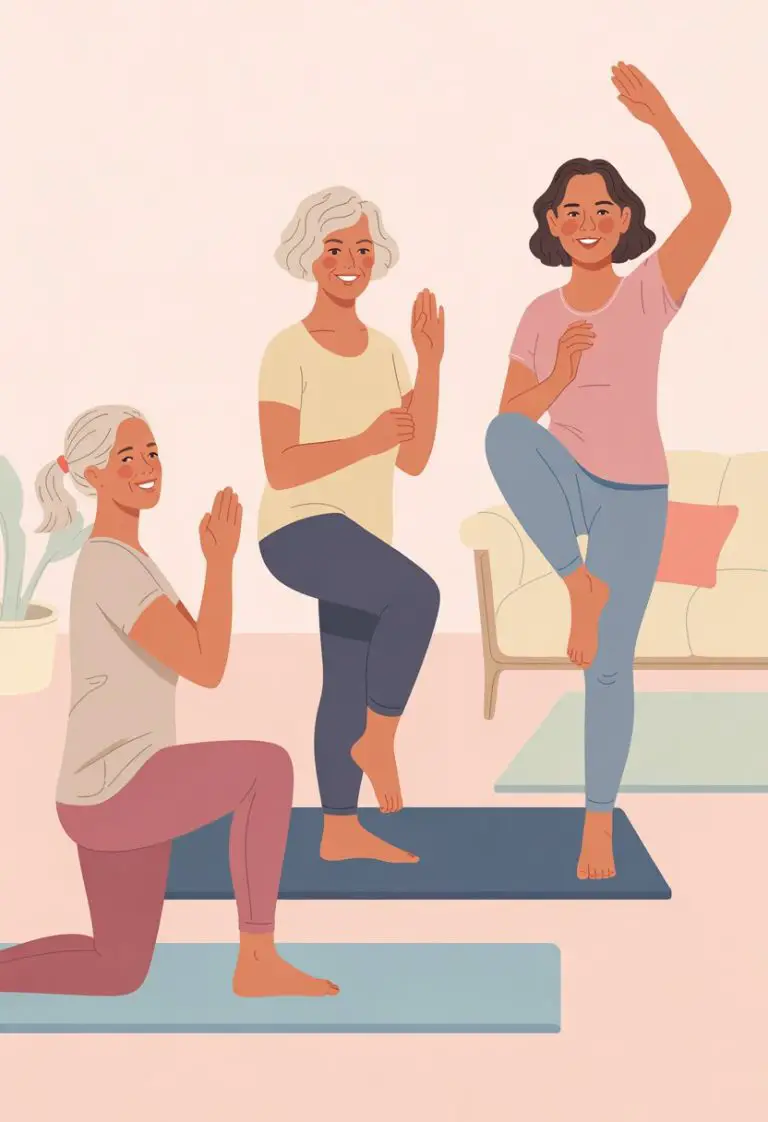
Yoga, Pilates, stretching — these can influence relaxation, posture, and body awareness.
Consistency > intensity (friendly reminder 😉).
✓ Sleep: The Silent Hormone Stabilizer
Sleep is like the team captain of hormone balance.
How does sleep help?
- Regulates appetite hormones
- Supports mood
- Helps stress hormones reset
- Allows recovery and repair
Simple sleep-supporting habits include:
- A dark, cool bedroom
- Limiting screens before bed
- Regular sleep/wake times
Sound basic? Yep. But basic works.
✓ Stress Management: Big Player Alert
High stress can affect many hormones — estrogen included indirectly.
People often experiment with:
- Breathwork
- Journaling
- Nature walks
- Mindfulness apps
- Creative hobbies
My personal fave? Tea + evening music — not fancy, but soothing.
✓ Body Fat, Muscle Mass & Hormone Interaction
Healthy estrogen function is influenced by body composition. Fat tissue produces hormones — too little or too much may affect equilibrium. For this reason, people often focus on balanced nutrition and regular movement.
Again — not about dieting or perfection — just supportive lifestyle choices.
✓ Herbs & Supplements (Handled Carefully)
Let’s be crystal clear:
Only licensed healthcare providers can recommend supplements — because they interact with medications, have side effects, and aren’t one-size-fits-all.
Many people hear about herbs like maca, red clover, or black cohosh — but instead of DIY-ing, it’s safer to discuss them with a professional.
So IMO, curiosity is great — but pairing it with medical guidance is even better 👍
✓ Tracking Signs of Hormonal Changes
Instead of guessing, many people journal symptoms like:
- Mood shifts
- Sleep patterns
- Skin changes
- Energy levels
- Cycle patterns
Patterns help you chat more effectively with a doctor — and it empowers you too.
✓ When to Seek Professional Insight
If someone experiences persistent concerns such as:
- Irregular cycles
- Hot flashes
- Low mood
- Low energy
That’s when professionals shine — because hormones are complex. Lifestyle habits help, but medical insights bring clarity when needed.
✓ A Holistic “Daily Support” Framework
Think of hormone wellness like tending a garden:
- Food = nutrients
- Movement = flow
- Sleep = restoration
- Stress care = sunlight
- Check-ins = pruning
Not perfection — balance.
Talking to a Friend Moment
When I started exploring my wellness routine, I expected one “magical” solution. Spoiler: there wasn’t one. Instead, I learned that tiny sustainable habits stack up. Estrogen balance — like any wellness area — responds to whole-body living.
So What Does a Supportive Day Look Like?
Something as simple as:
- Breakfast with fruit and flax
- A brisk walk
- A colorful plate at lunch
- A check-in breath break
- A calming wind-down routine
See? Totally doable.
SEO-Style Quick Takeaways (For Skimmers)
Ways people support hormone wellness naturally:
- Nutrient-rich foods
- Phytoestrogen-containing foods like flax or chickpeas
- Regular movement
- Stress reduction practices
- Adequate sleep
- Gut health focus
- Journal-style symptom awareness
This list isn’t exhaustive — but it’s a strong starting point for conversations with a healthcare practitioner.
Final Thoughts
Hormones are personal — literally and figuratively — so exploring supportive wellness habits can feel empowering. Just remember, you don’t need to figure everything out alone. If anything feels “off,” professionals can evaluate, diagnose and recommend care.
Meanwhile, small nourishing choices today can be a gentle step toward feeling your best.
So go sip water, stretch, breathe deeply, or sprinkle flax on that smoothie — your body thrives when you treat it kindly. And hey, if this sparked curiosity, maybe journal what habit you want to try first… your wellness journey starts with one (tiny) intentional shift ✨